What are the Four Main Gases That Make Up the Earth’s Atmosphere?
The Four Gases
What do The Four Gases do in the Atmosphere?
Oxygen – Oxygen makes up 21% of the atmosphere. It forms mixtures with many other chemicals, and is required for respiration in living things.
Nitrogen – 78% of the atmosphere is nitrogen. Nitrogen is transmitted to plants, animals, and the environment through the nitrogen cycle.
Carbon Dioxide – Carbon dioxide makes up less than 1% of the atmosphere, but the amount is increasing due to pollution. Plants and bacteria use carbon dioxide for photosynthesis. Humans, other animals, and plants add it to the air through breathing. Carbon dioxide is a greenhouse gas.
Argon – Argon makes up about 1% of the atmosphere and is released by the rotting of potassium in the Earth’s surface. It is inert, which means that it does not react with other chemicals.
All of the water on the Earth makes up the hydrosphere. This includes all of the world’s lakes, streams, oceans, rivers, groundwater, polar ice caps, glaciers, rain and snow. Water covers approximately 70% of the Earth’s surface.
One important fact to know about the Earth’s water is that approximately 97% of it is salt water found in the oceans. If humans drink salty ocean water they become dehydrated and can die.
Great! You have reached the end of the ‘Atmosphere, Hydrosphere and Lithosphere’ section. Now complete the activity page/s that your teacher has printed off for you.
Groundwater is formed when rain drains into the ground and collects within cracks or pores in the rock (called an aquifer). Groundwater makes up about 17 percent of drinking water in Australia. Once in the aquifer, water moves slowly toward lower level areas and eventually moves from the aquifer to streams and lakes, or is extracted from the ground by wells.
Frozen Glaciers and Polar Ice-Caps
Two-thirds of the Earth’s drinking water is stuck in frozen glaciers and streams. Due to the risks and costs related to moving icebergs, they are not used as a major source of drinking water.
Rivers, lakes and streams
About 95% of Australia’s water supplies come from rivers, lakes, streams and reservoirs. Dams are constructed across rivers to collect and store water. This gives us a more reliable fresh water supply. There are more than 820 large dams in Australia.
There are more than 52,000 species of crustaceans around the world.
There are approximately 32,000 species of fish around the world.
There are over 130 species of warm blooded mammals in the hydrosphere.
Aquatic reptiles live in both fresh and sea water. Other aquatic reptiles include sea turtles, sea snakes, and crocodiles.
Aquatic plants include seaweed, water lilies, algae and moss.
What is the Lithosphere
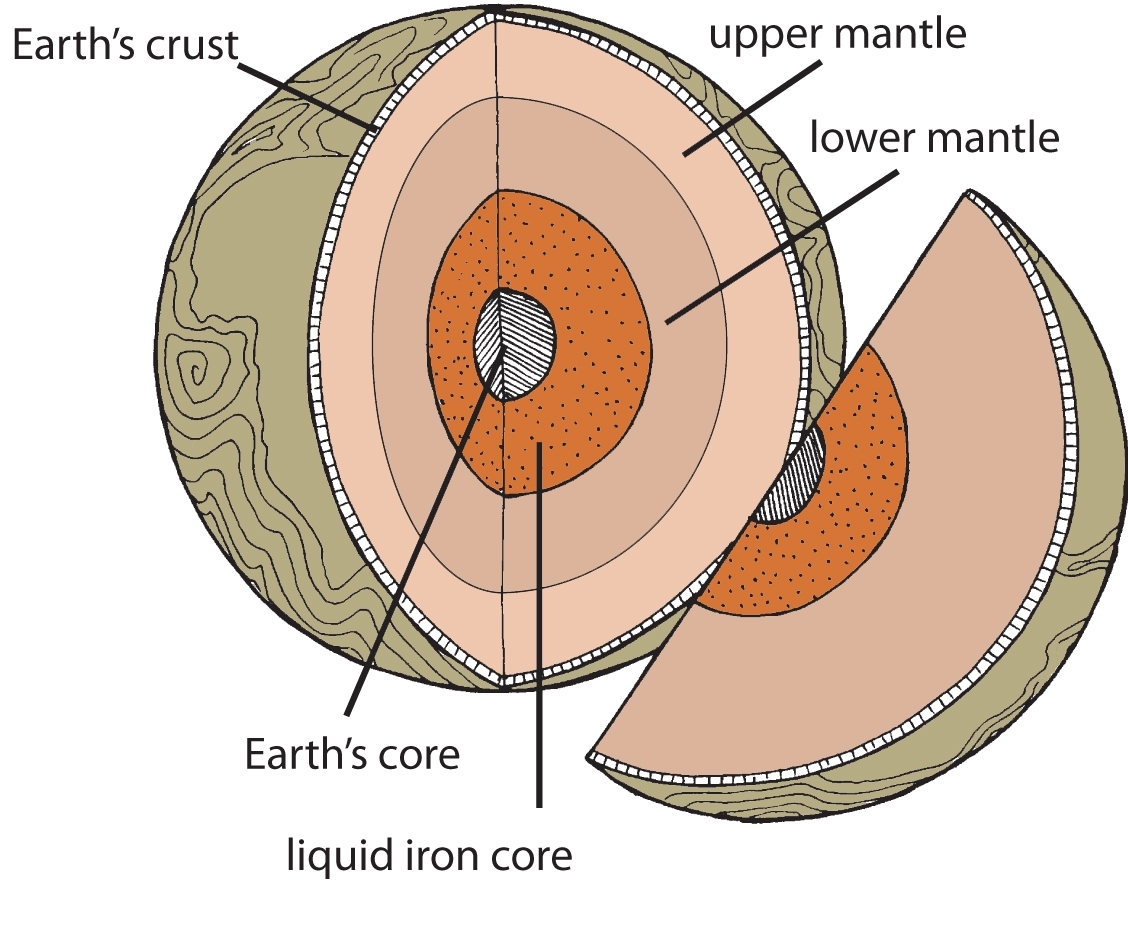
The lithosphere is the solid part of the Earth consisting of the Earth’s crust (the thin outer layer of the Earth) and the upper mantle. It does not include lower mantle, the liquid iron core or the Earth’s core.