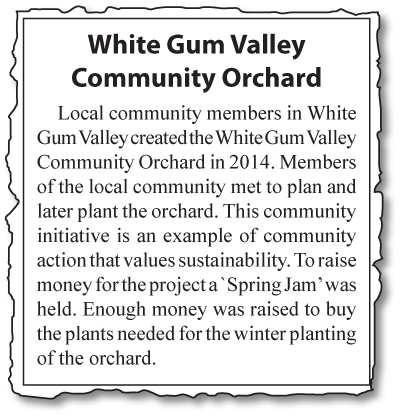
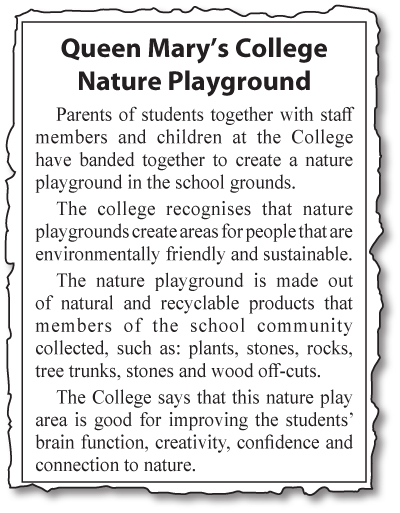
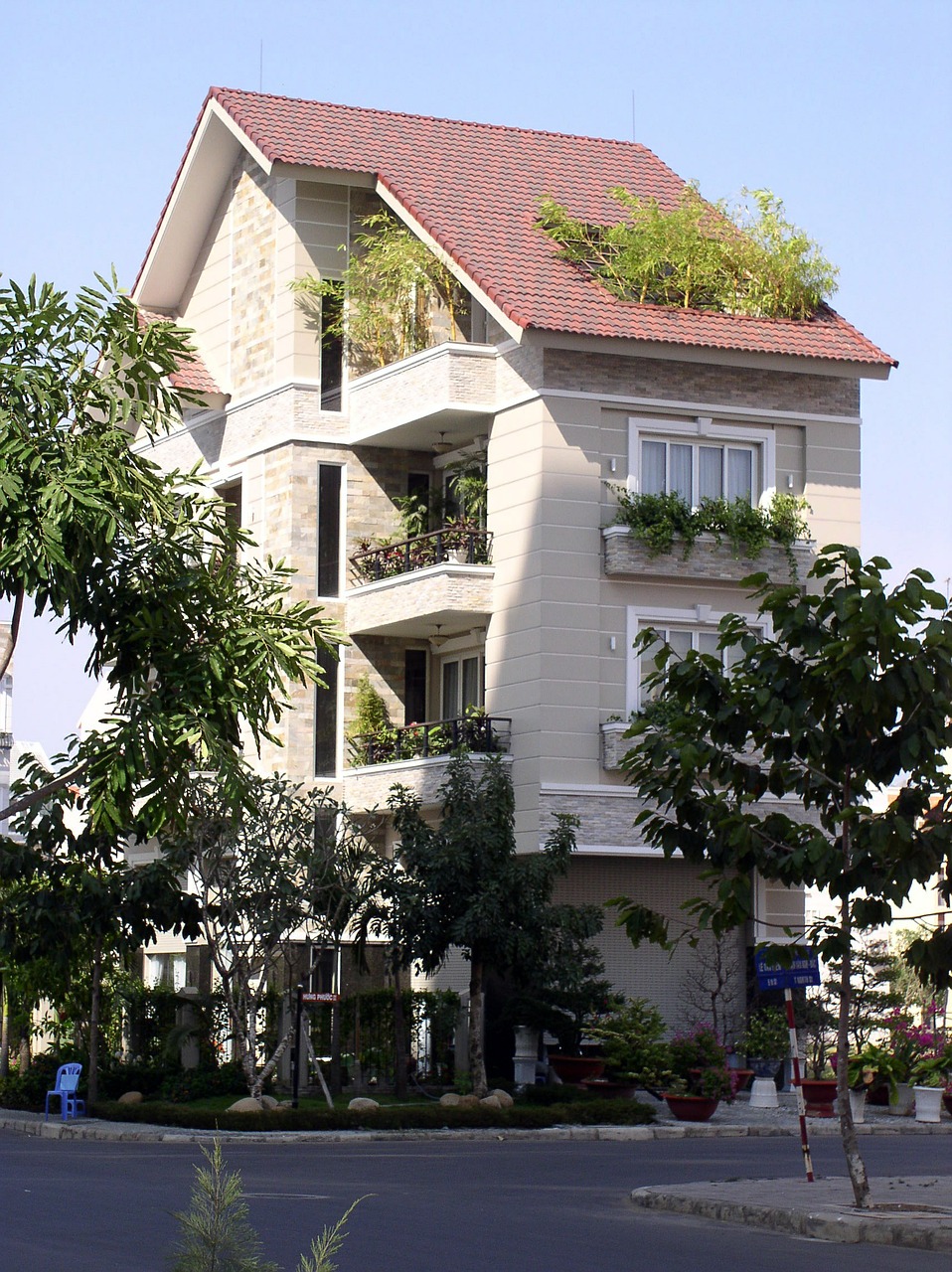
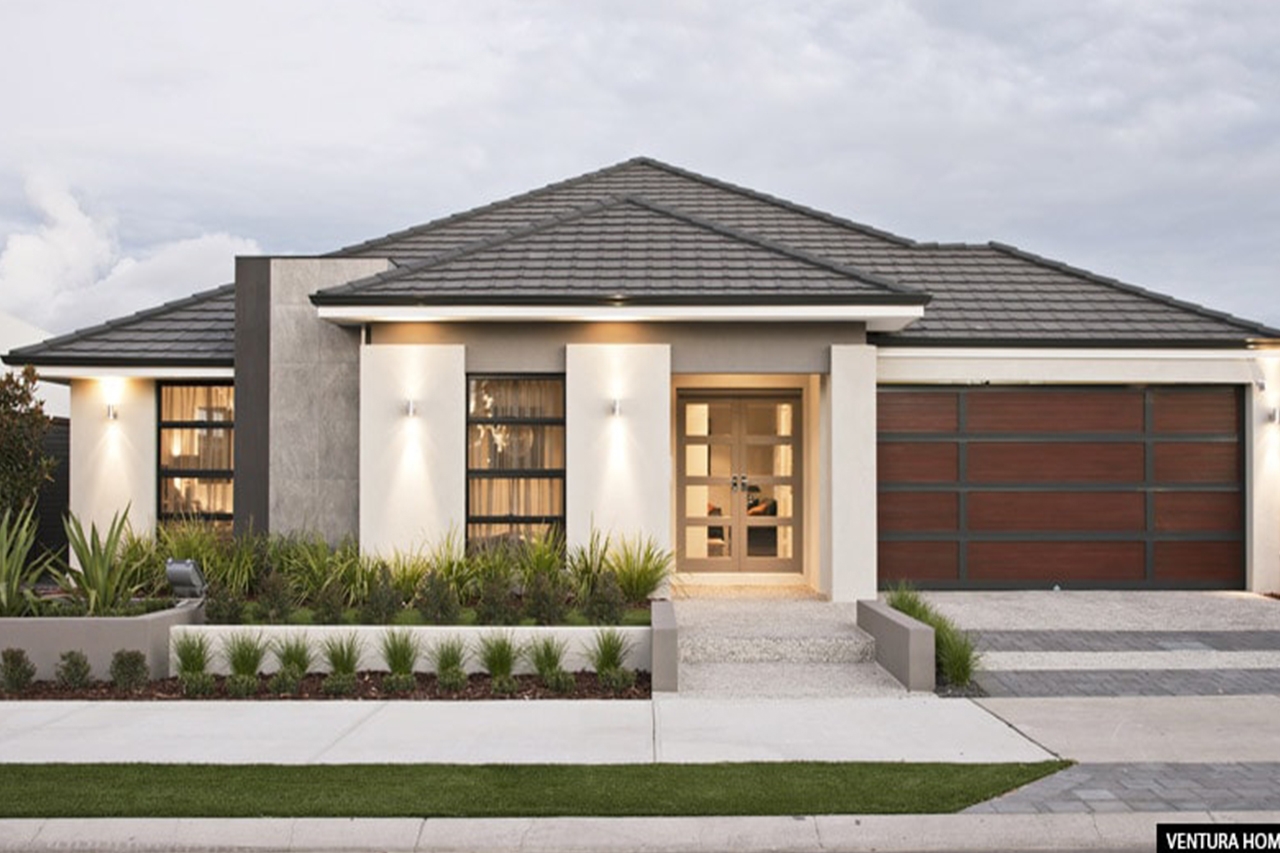
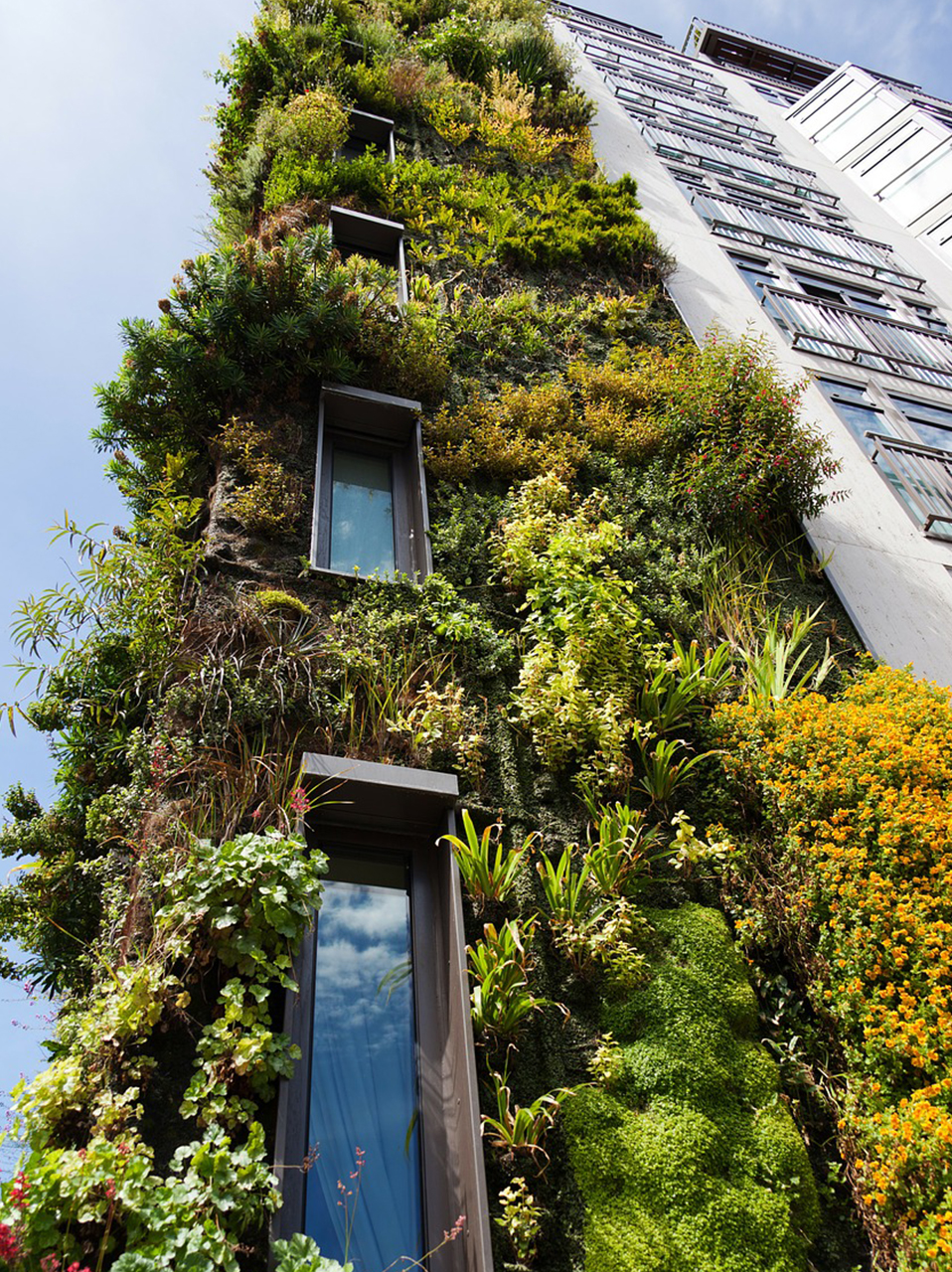
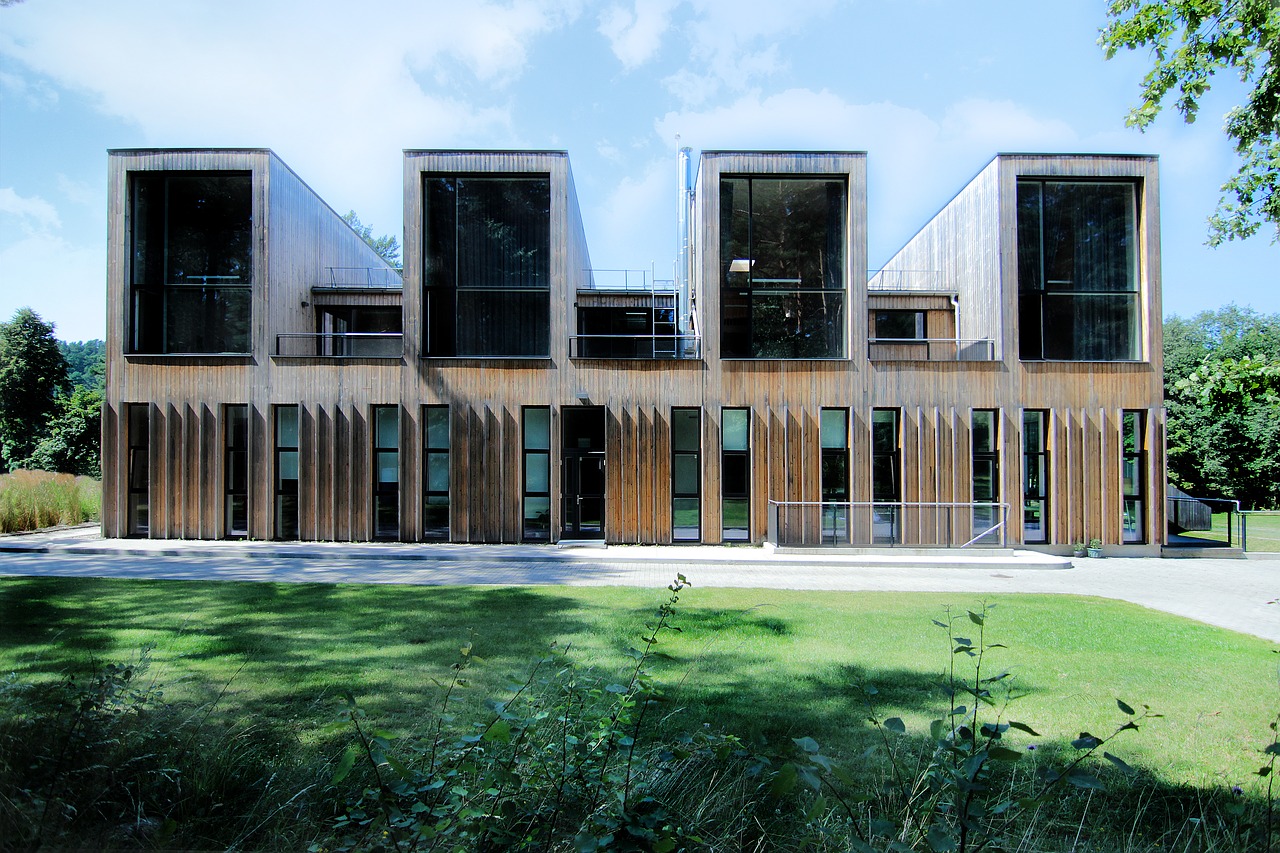
A sustainable or green building is designed to be environmentally friendly. Designers achieve this by using renewable energy sources, using recyclable or biodegradable construction materials building supplies resources efficiently, and blending in with the local ecosystems. Sustainable buildings try to reduce environmental impact.
Scroll through the picture gallery to see examples of sustainable buildings.
Click the graphics for more information.
Click the numbers to find out.
Community action is very important in order to create sustainable communities that will last well in to the future. Diff erent communities all over the world have diff erent ways of making sure that people can live in ways which do not harm the environment too much. Here are some eco-activities in which local Australian communities have participated.
Read these 2 case studies of communities practicing sustainability.
Bamboo has been used for building for thousands of years. It is strong, light weight and renewable. It is used instead of steel and concrete in construction. It is also relatively inexpensive.
Plastic is becoming one of the most sustainable materials for construction. Instead of mining for materials, concrete is produced by grinding up rubbish and recycled plastic. This creates a new use for plastic waste, so it does not go into landfills. Using recycled plastic reduces greenhouse gas emissions and it is very cheap.