


Global Sustainability

What are renewable resources?

Click on the image to find out.
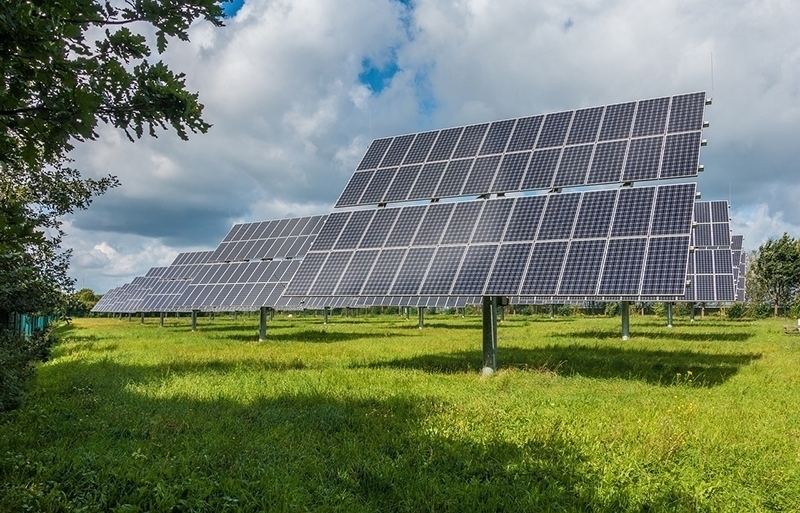
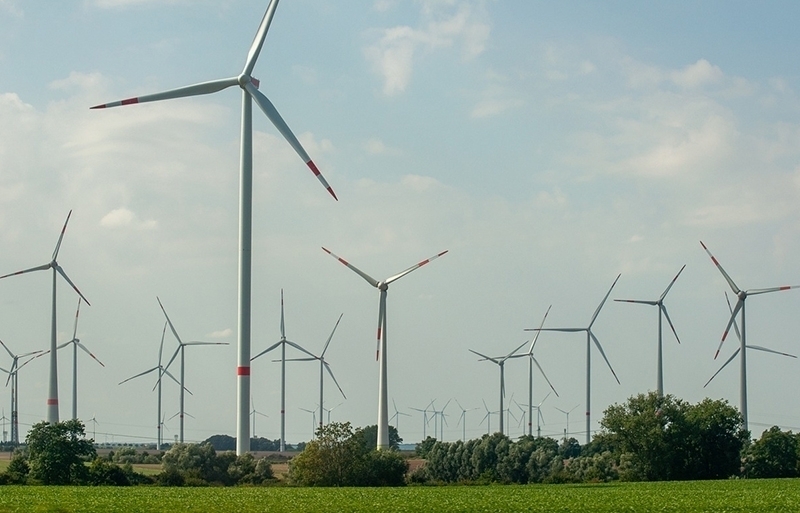
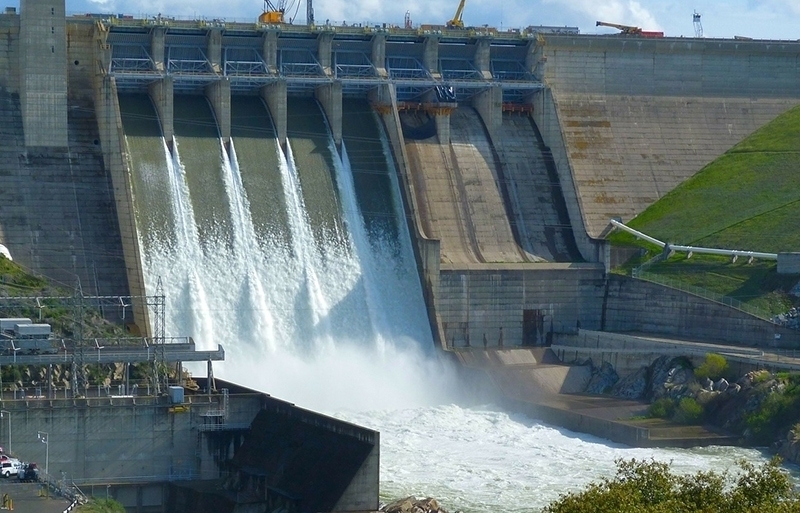
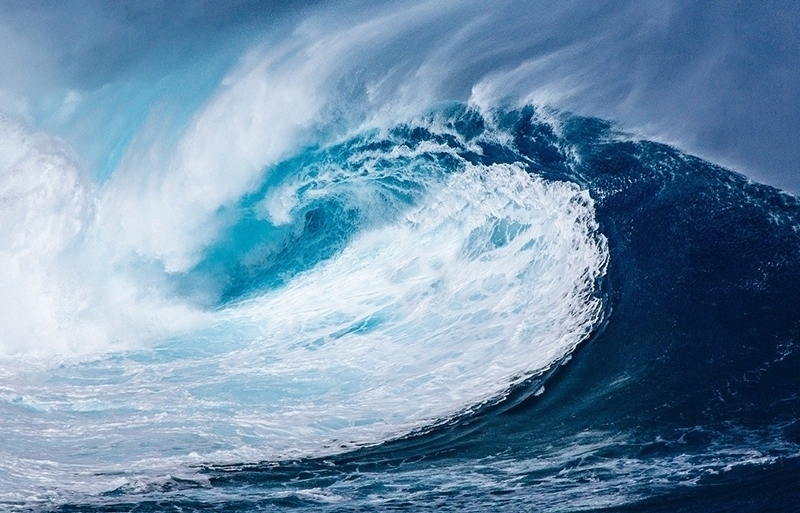
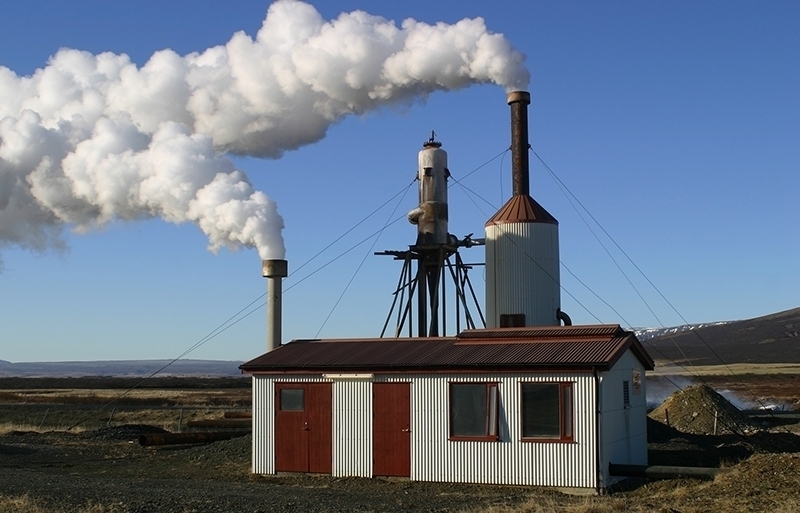
Renewable resources are those which can be naturally regenerated as they are used. Renewable energy is sustainable - something that can’t run out, such as sunlight.

Types of renewable resources

Click on the images to know more.
solar-panel
wind-energy
hydro-energy
tidal-energy
geothermal-energy
biomass-energy

Non - Renewable Resources

Click on the images to find out.
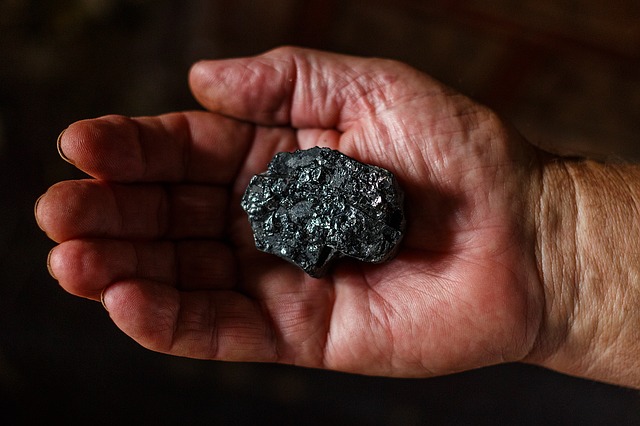
Coal
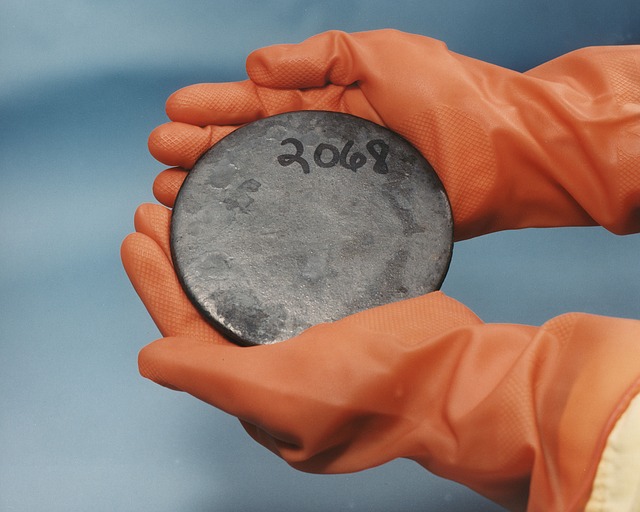
Uranium
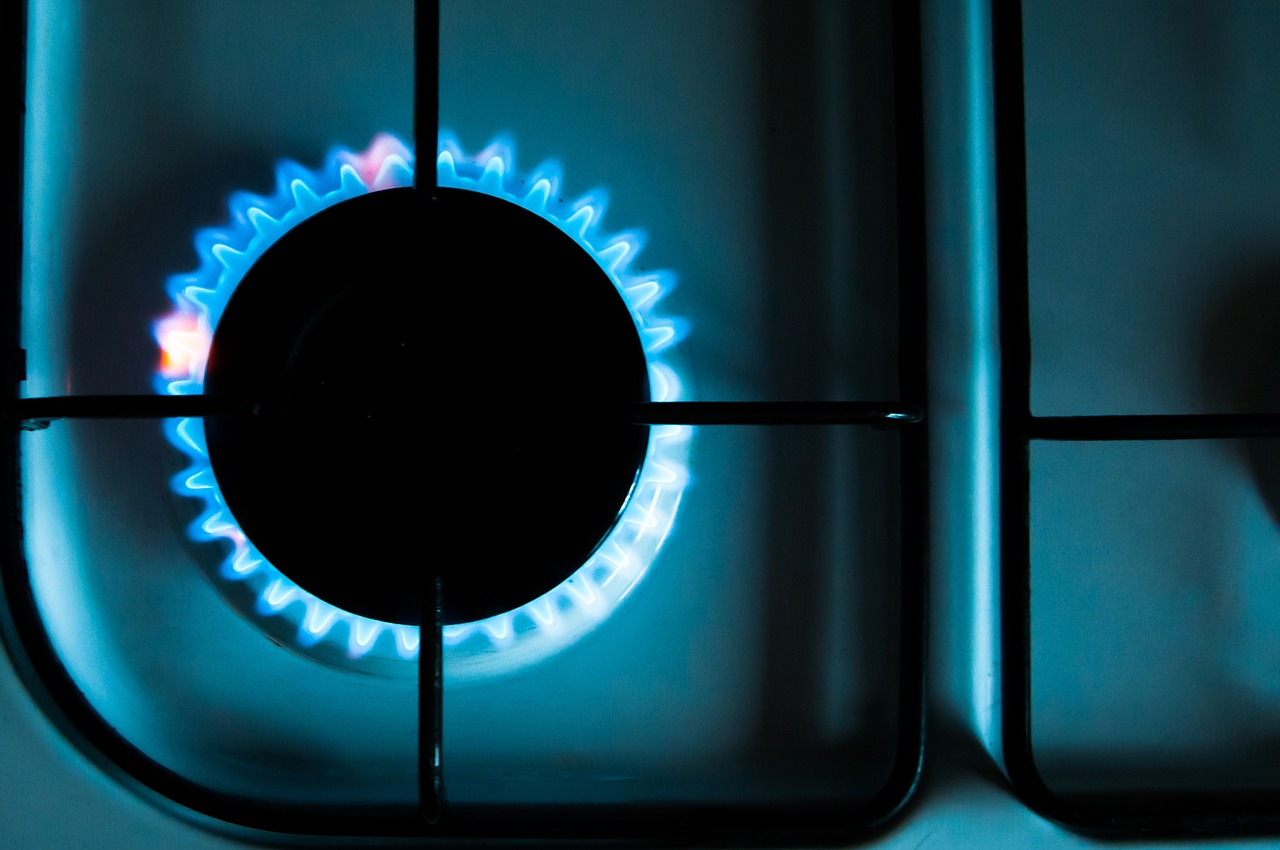
Natural Gas

Oil, natural gas, and coal are called fossil fuels. Fossil fuels formed under the Earth’s surface from dead animals and plants over millions of years.

Quiz

1. What are fossil fuels?

Fossil fuels are formed from the decomposition of buried carbon-based organisms that died millions of years ago.

2. How many types of fossil fuels are there?

7

3. How much of electricity usage is currently based on fossil fuels?

80%

4. Fossil fuels are rich in what element?

Carbon

5. What was coal formed from?

Plants

6. Fossil fuels are classified as nonrenewable because they.......

take millions of years to replace

What is Ethanol?

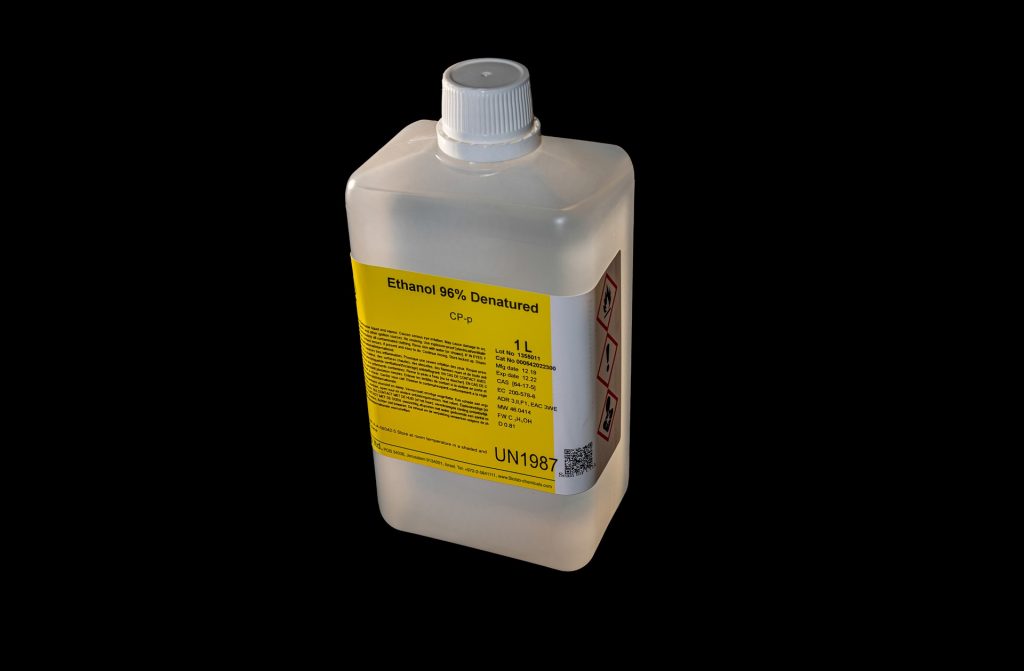
Ethanol, which is sometimes known as ethyl alcohol, is a kind of alcohol derived from corn, sugarcane, and grain or indirectly from paper waste. 

It’s also the main type of alcohol in most alcoholic beverages obtained as a result of fermentation of a mash of grains (gin, vodka, and whiskey) or sugarcane (rums). It’s also a source of fuel commonly blended with gasoline to oxygenate the fuel at the gas pump. Ethanol fuel can also be used on its own to power vehicles.

Advantages and Disadvantages of Ethanol as a Fuel

Advantages

Disadvantages

Biodiesel

Made from an increasingly diverse mix of resources such as recycled cooking oil, soybean oil and animal fats, biodiesel is a renewable, clean-burning diesel replacement that can be used in existing diesel engines without modification. It is the nation’s first domestically produced, commercially available advanced biofuel.
New land is not required for biodiesel production. Instead, this advanced biofuel uses readily available, diverse resources.

Environmental benefits of Biodiesel

Click on the boxes to learn more.
1
Reduces lifecycle greenhouse gases by 86 percent.
2
Lowers particulate matter by 47 percent, reduces smog and makes our air healthier to breathe.
3
Reduces hydrocarbon emissions by 67 percent.
4
For every unit of fossil energy it takes to produce biodiesel, 3.5 units of renewable energy are returned, the best of any U.S. fuel.

Biojet fuel

Click on the image to know more.
biojet

Environmental Issues with Biofuel

Click on the boxes to find out.
1
Fertilisers and pesticides are used when growing biofuel plants, these lead to the creating of carbon dioxide, which contribute to greenhouse gases. Greenhouse gases affect global warming and the ozone layer.
2
It can take up to 84 times more water to produce biofuels than mine fossil fuels.

Great! You have reached the end of the ‘Global Sustainability’ section. Now complete the activity page/s that your teacher has printed off for you.

Non-renewable resources are those such as oil used for petrol. Once they are used up, there will be no more left. Oil is also used to make plastics. It is found below the Earth’s surface and pumped using wells.

Coal is used to generate power plants and heat homes. It is a fossil found in swamps that are buried below the earth. As coal is hard, it has to be dug up from the ground.

Uranium is a radioactive element. Ore is mined and then the uranium is extracted from it. Uranium is used to fuel nuclear energy.

Natural gas is found near oil deposits below the Earth’s surface. It is usually pumped out of the same wells that extract oil. Natural gas is mainly used for heating homes, water and cooking.