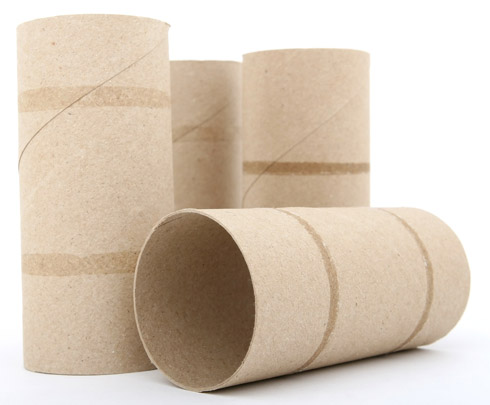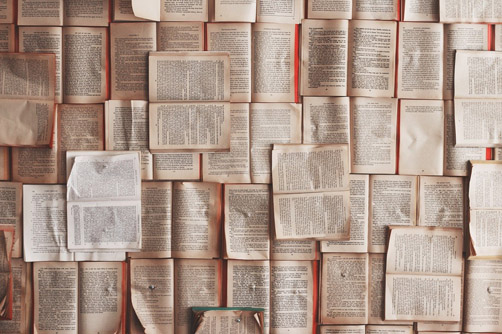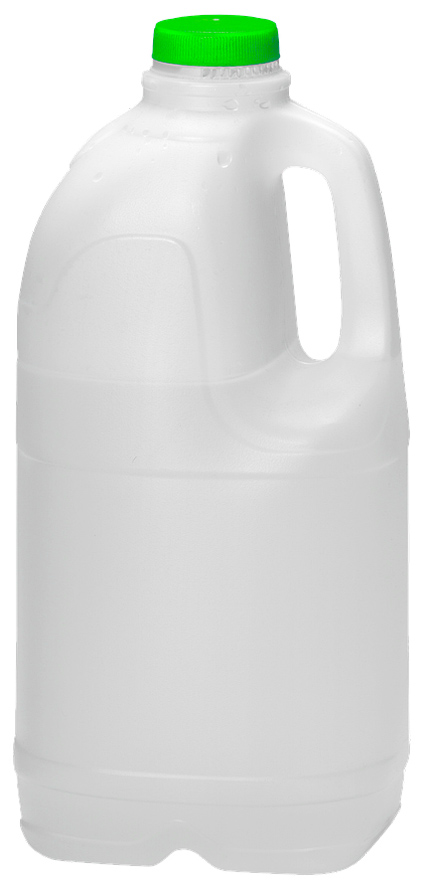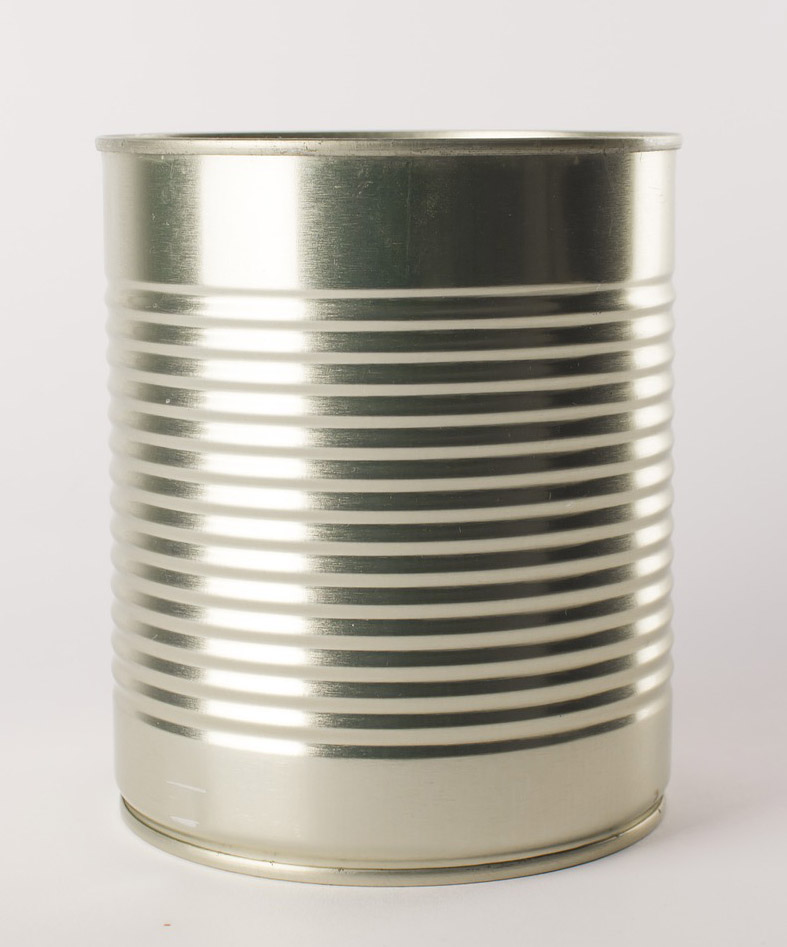

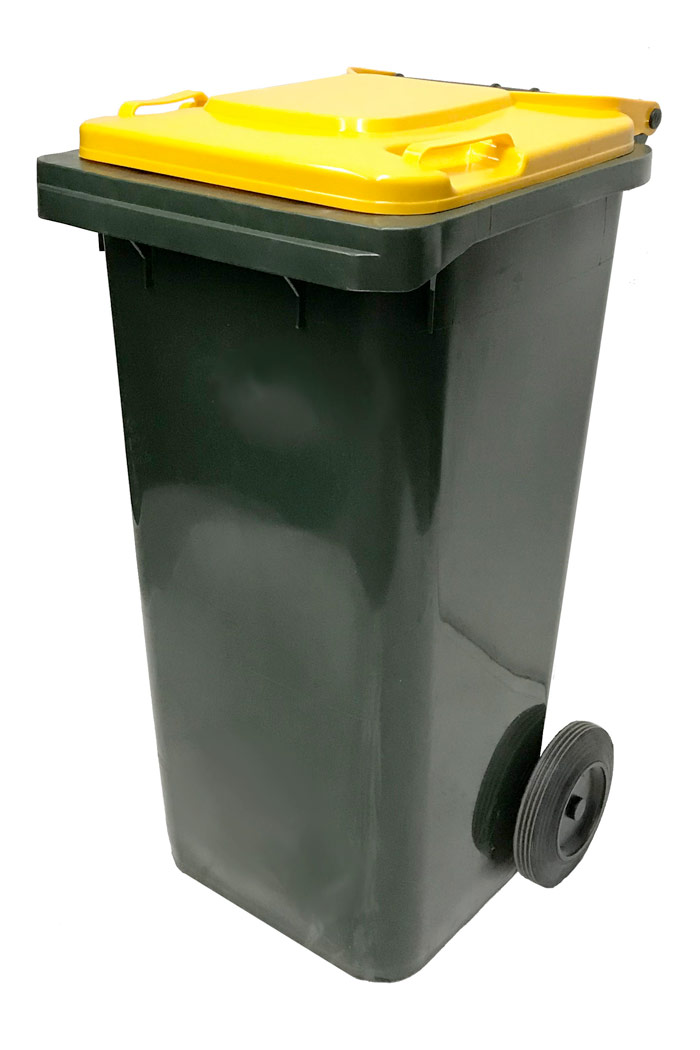

Recycling is an important part of any community. It is important on a local level as well as nationally and globally. Most people have recycled rubbish bins in their homes. Most local councils also provide a recycle bin and a waste bin. Sometimes you might wonder what the recyclable items are made into.
Items such as aluminium cans (soft drink cans), cardboard, glass bottles, plastic bottles and newspapers can all be recycled. By recycling, the Earth’s resources are being reused and we are caring for the world in which we live.
Click the numbers to find out.
Watch the video to learn more information about how things are recycled.
Video Credit "NowThis News" Video Credit "NowThis News"
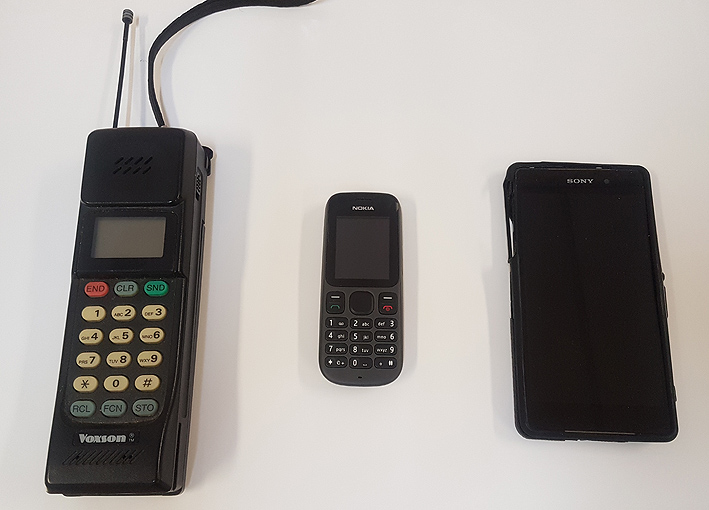
Mobile phones were introduced to Australia in 1983. It is estimated that there are over 22 million unused mobile phones in Australian homes. On average Australians replace their handsets every two years. This means that there are a lot of old mobiles and their batteries laying around in cupboards and drawers not in use. Over 90% of the materials in mobile phones, batteries and their chargers can be recycled. However, if they are not recycled they can be a threat to the environment.
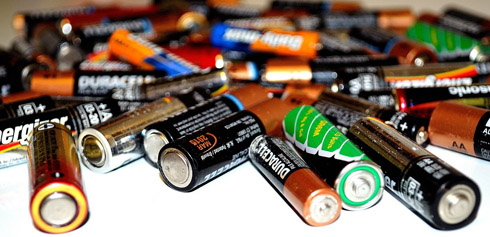
Approximately 8,000 tones of batteries and mobile batteries which are thrown in the bin go into landfill each year. Landfill is the rubbish which comes from household bins. Many batteries are made from heavy metals which contain harmful elements such as: nickel, cadmium, lead and mercury, all of these elements can pollute soils and water supplies which can harm both humans and wildlife.
Currently, there is no government legislation (laws) to make manufacturers or retailers participate in the responsible disposal of batteries.
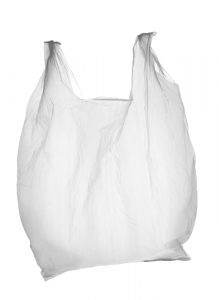
Plastic bags threaten our environment and natural resources, such as waterways. Plastic bags block drains that stop essential water from flowing away from suburban and city areas and back out into the ocean. Plastic bags harm wildlife in the water and on land.
It costs businesses very little to purchase 1 plastic bag to give to their customers, however, the cost to the environment is huge. Australians use approximately 3.9 billion plastic bags each year. Millions of these bags end up in waterways harming our wildlife. Many marine animals deaths occur because of plastic bags. It is estimated that up to 100,000 sea turtles are killed each year when they mistake the bags for food in the water.
Mobile phones were introduced to Australia in 1983. It is estimated that there are over 22 million unused mobile phones in Australian homes. On average Australians replace their handsets every two years. This means that there are a lot of old mobiles and their batteries laying around in cupboards and drawers not in use. Over 90% of the materials in mobile phones, batteries and their chargers can be recycled. However, if they are not recycled they can be a threat to the environment.
Approximately 8,000 tones of batteries and mobile batteries which are thrown in the bin go into landfill each year. Landfill is the rubbish which comes from household bins. Many batteries are made from heavy metals which contain harmful elements such as: nickel, cadmium, lead and mercury, all of these elements can pollute soils and water supplies which can harm both humans and wildlife.
Currently, there is no government legislation (laws) to make manufacturers or retailers participate in the responsible disposal of batteries.