Biosphere

What is a Biosphere?

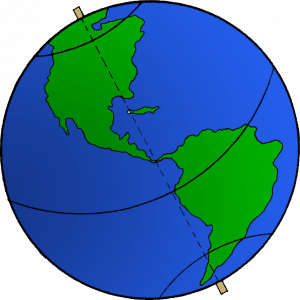
Biosphere is a word that describes the living world.
Click the image for more information about biospheres.
biosphere-coloured

The Three Different Parts of the Biosphere

Drag and drop the names to reveal the three different parts of the biosphere.

Video of Biosphere

Watch the video about the biosphere to learn more information about each part of the biosphere.

Biosphere Factors

There are many factors that affect the biosphere’s ability to keep living organisms alive.

Click on the images to learn about them.

BIG Factors 1

BIG Factors 2

SMALL Factors 1

SMALL Factors 2

Size of the Biosphere

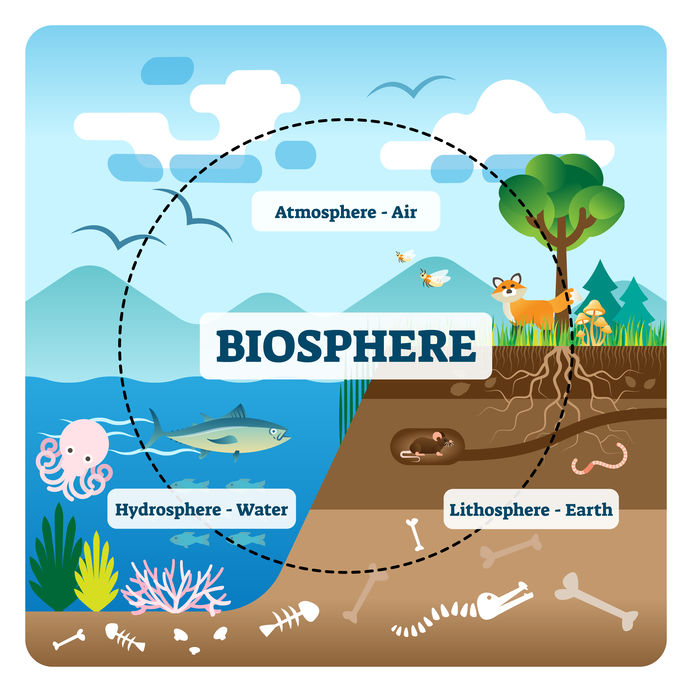
Since life exists on the ground, in the air, and in the water, the biosphere overlaps all these spheres.

How big is the biosphere?

Click on the picture to find out.
Biosphere vector illustration. Labeled all natural ecosystems with wildlife. Educational example with atmosphere, hydrosphere and lithosphere. Sustainable biodiversity and animal friendly environment.

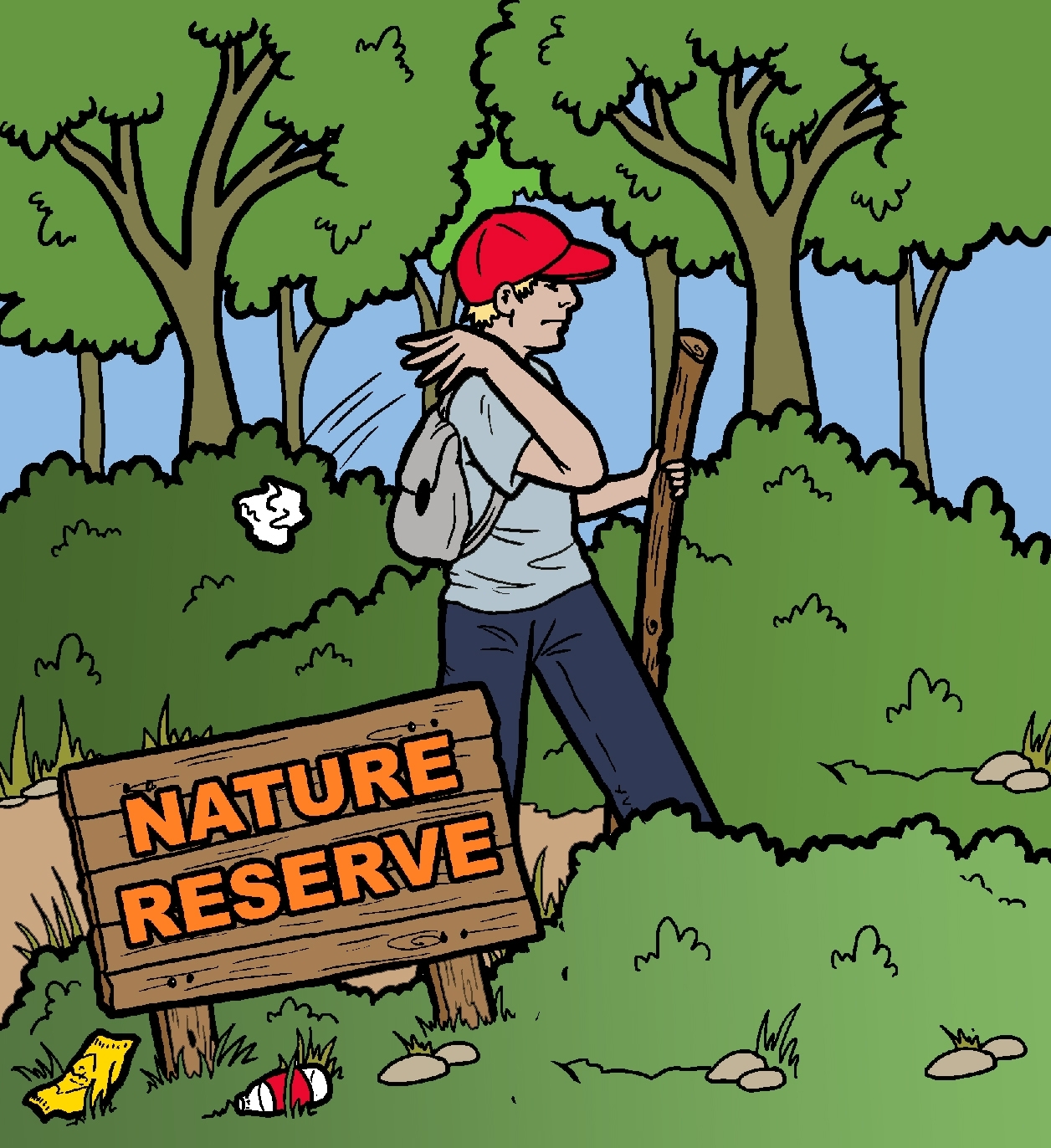
What is being done to protect the Biosphere?

Click on the picture to find out.

p57-nature-reserve-coloured

What is a Biosphere Reserve?

Biosphere Reserves are areas of land, sea and coastal ecosystems that are supervised with the goal of balancing conservation and the sustainable use of natural resources.

A Biosphere Reserve is made up of three zones: a core zone, buffer zone and a transition zone.

Click on the zones to read the information.

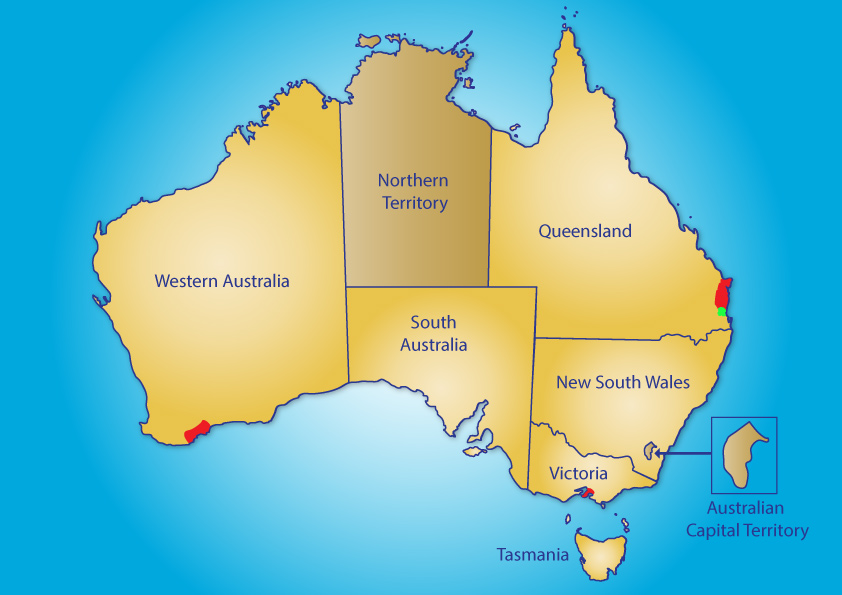
Australia’s Biosphere Reserves

Click on the numbers to reveal the information about Australia’s Biosphere Reserves.

Class Discussion

What would happen to the organisms in the biosphere if there was a dramatic change in the tilt of the earth?

Great! You have reached the end of Section 1:Biosphere. Now complete the activity page/s that your teacher has printed off for you.

Fitzgerald Biosphere WA

The Fitzgerald River National Park was first proposed as a biosphere in 1978.

It is 15300 km2 in total. The region is one of the most important areas for ecological diversity in the world.

It contains over 800 rare and threatened plants and animals.

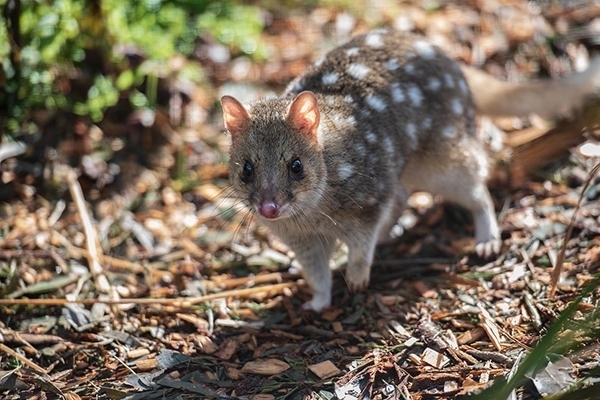
Some endangered animals in the biosphere include Carnaby’s black cockatoo, the tammar wallaby, and the western quoll.

The only people allowed to live on biosphere reserve are rangers and their families. Tourism is the main economic activity of the biosphere reserve.

Great Sandy Biosphere

The Great Sandy Biosphere was established in 2009 and is 14160km2. It includes the World Heritage listed Fraser Island, the best ancient sand dunes in the world. It is the home for more than half of Australia’s bird species. It also includes more than 7,500 species of fauna and flora – many of which are rare or endangered.

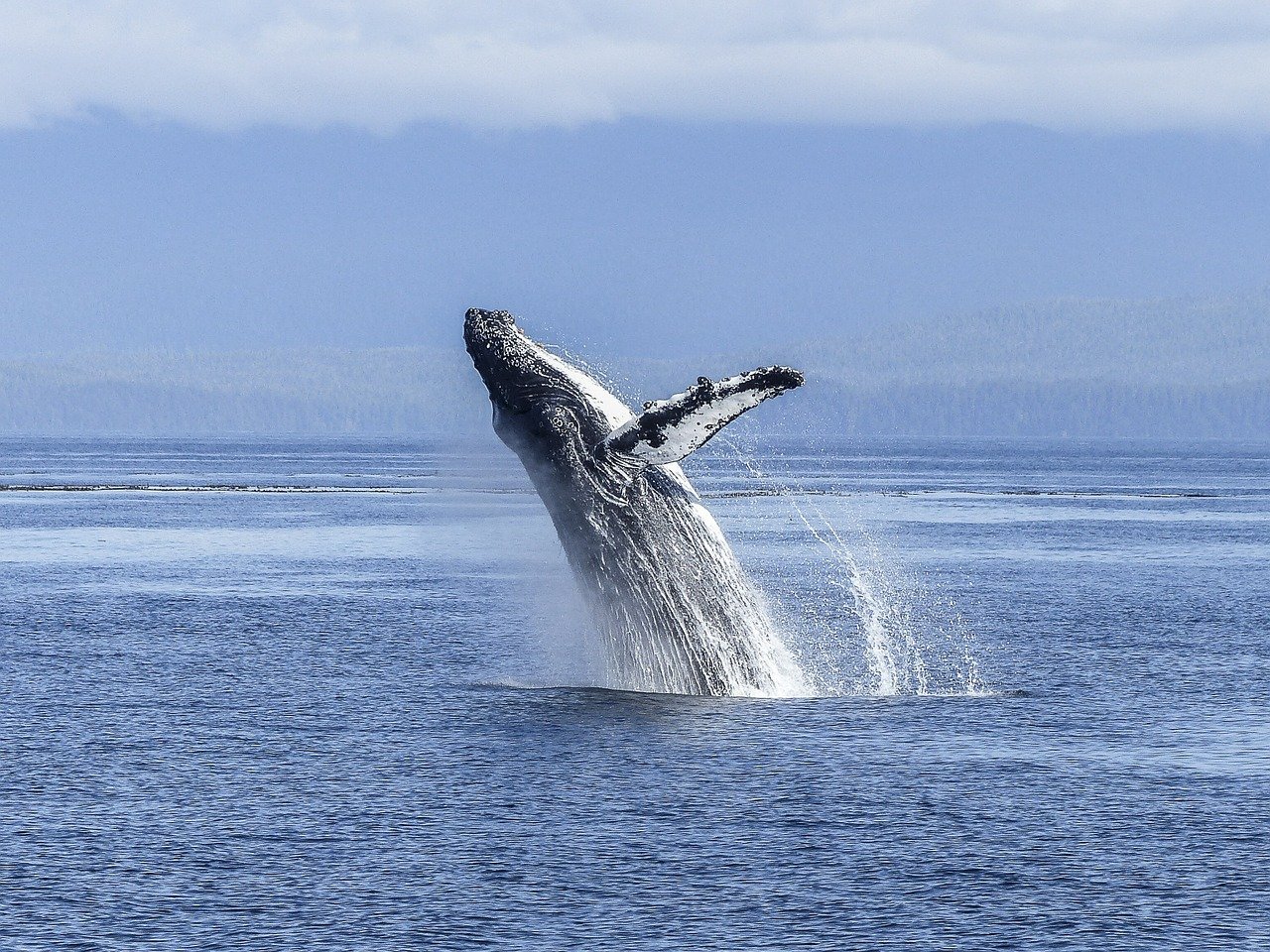
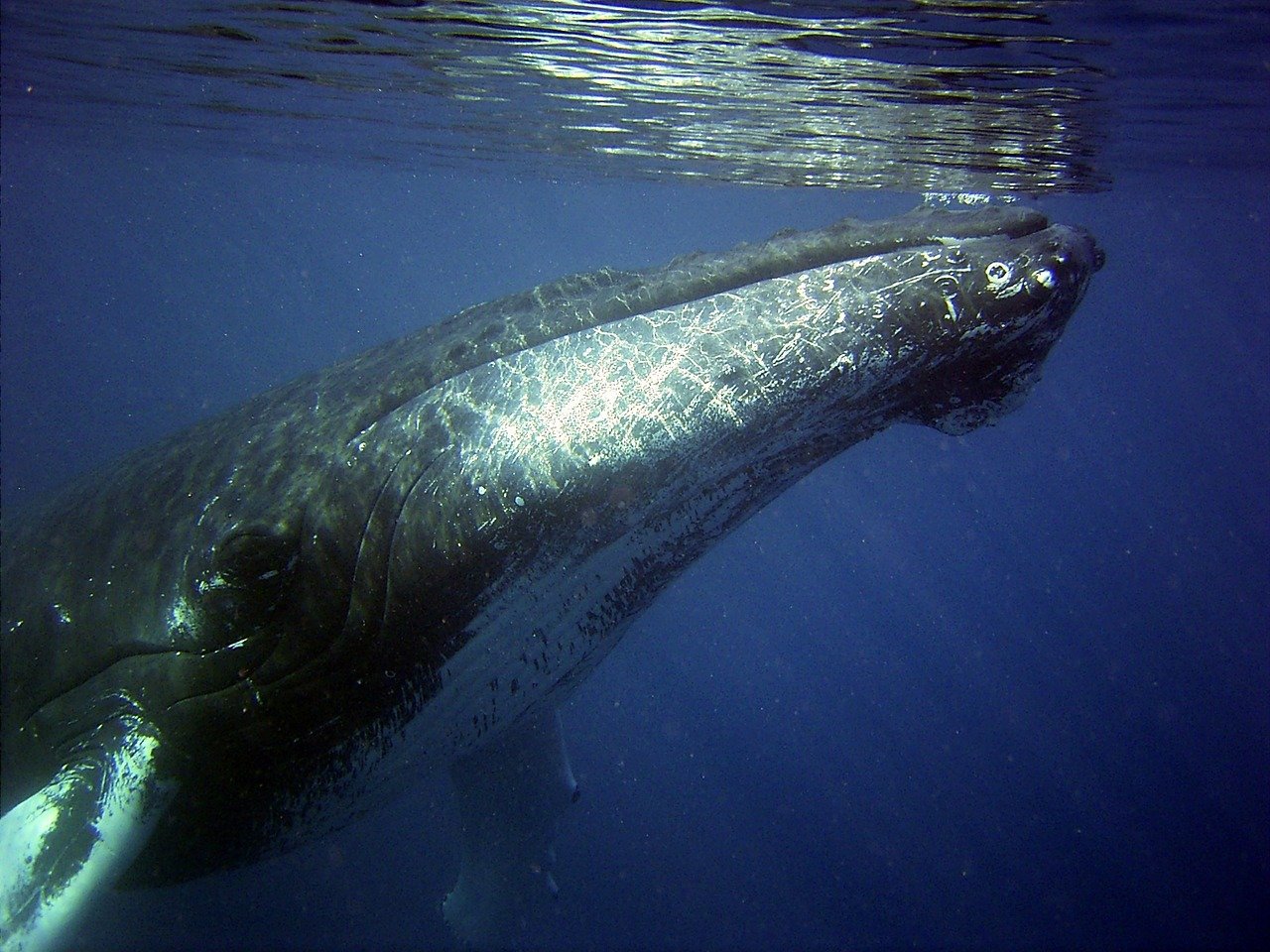
Some of the endangered animals in the biosphere include the grey-headed flying fox, the Humpback whale and several species of marine turtles.

Mornington Peninsula and Western Port Biosphere Reserve

The Western Port Biosphere was established in 2002 and is 2142km2.

It contains a blend of landscapes including National and Marine Parks, agriculture and urban areas.

The area has a large amount of biological diversity due to many different habitats.

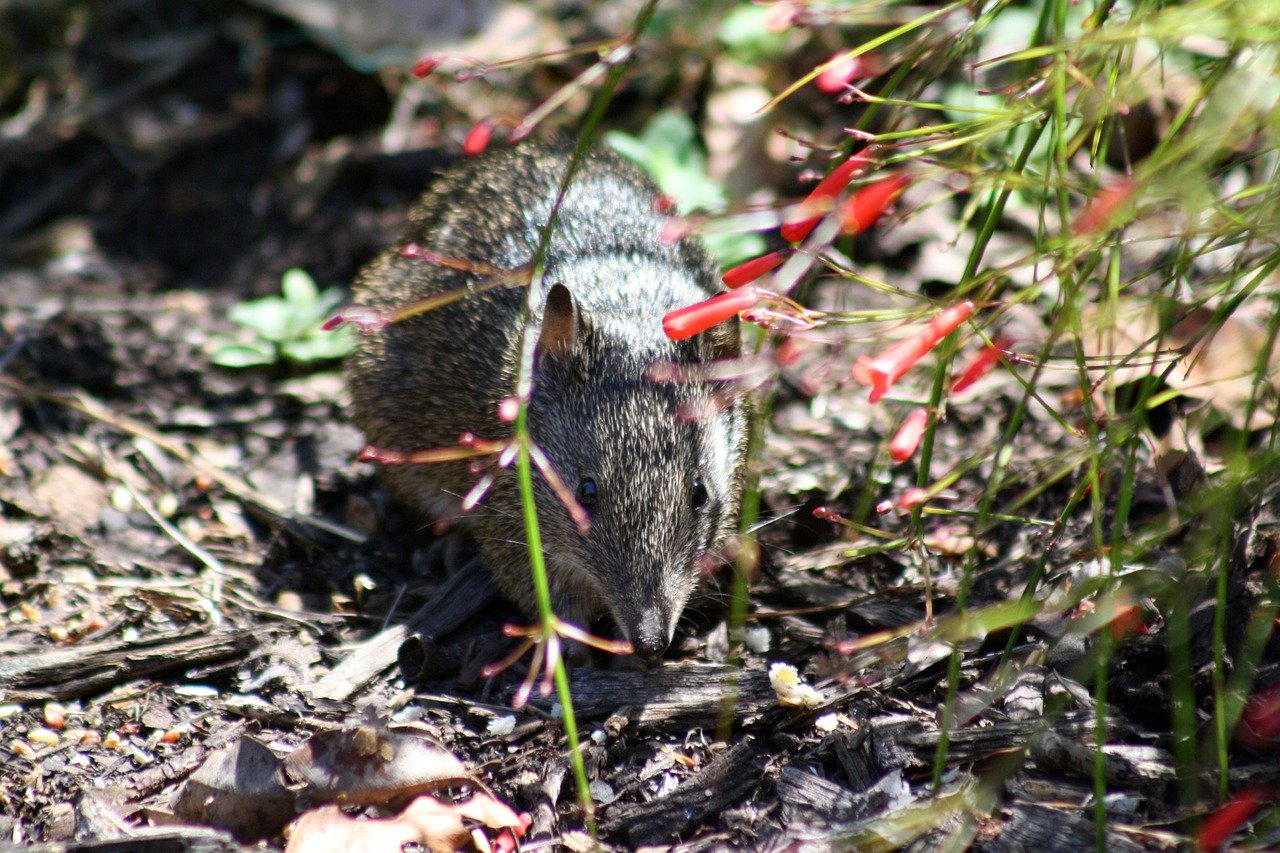
It contains about 65% of Victoria’s bird species. Some of the endangered animals in the biosphere include the swamp wallaby, the Australian fur seal, and the Southern Brown Bandicoot.

Noosa Biosphere Reserve

The Noosa Biosphere was established in 2007 and is 1500km2.

Almost 40% of the biosphere is in national parks, state forests, lakes and oceans.

It has over 2000 different plant species, and over 3000 different wildlife species.

The local economy places great importance on tourism, as the area has had more than 2 million visitors since 2016.

Endangered species in the biosphere include the false water-rat, the dugong, glossy black cockatoo, and the loggerhead turtle.